
 Give us your views
 Print This Page
 Tell A Friend
Equipment:
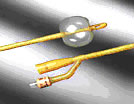
- Use size 12Ch or 14Ch Catheters
- Use Hydrogel coated latex catheters or 100% silicone catheters.
- NB if you have a latex allergy use 100% silicone catheters
- If you have frequent urinary tract infections (UTI) you may benefit from using a silver coated catheter (seek advice)
- Secure tubing to leg to avoid ‘tugging’ of the catheter
- Change the catheter every 6-8 weeks
- Drink 2-3 litres of fluids per day
- If able, use a catheter valve to maintain bladder tone and capacity. Seek advice if you would like to use a catheter valve
- Overnight attach a night bag (2 litre capacity) to your leg bag
- Bladder washout solutions or installations may be used to wash out your bladder if your catheter consistently blocks with encrustations
- Solutions used vary from saline to acidic solutions. Frequency of use depends on frequency of catheter blocks
- Warm the solution prior to use to reduce discomfort and spasm
- NB Do not use acidic solutions more frequently than once a week as they can irritate the bladder lining
Problems that may occur:
- Urinary tract infections (UTI): drink 2-3 litres of fluid per day. Try to avoid taking antibiotics if possible. Seek medical advice if persistent
- Catheter blocks: use bladder washouts as advised, seek medical advice if persistent
- Urine leakage around the catheter: seek advice
- Bladder, kidney stones: use bladder washouts as advised, seek medical advice
- Meatal tear (in men): this is where the skin around the penis becomes ‘split’. Ensure catheter tubing is secured to a thigh/leg to minimise risk of ‘pulling’ on the catheter
- Chronic bladder infections: seek medical advice
- Bleeding: If you have bleeding around the site of the catheter (trauma), and/or pink/red coloured urine (haematuria) seek medical advice
If any of the above occurs, seek advice from:
- The Outpatient Nurses
- Your GP/District Nurse
