
 Print This Page
 Tell A Friend
Assisted CoughingAutonomic DysreflexiaBowel CareBowel Management.Bowel Management. Are you getting it right?Condom Drainage (Sheath)Driving after spinal cord injuryEmployment after spinal cord injuryFlip Flo Catheter ValveHoliday guide for air travel following Spinal Cord InjuryIndwelling Suprapubic Catheter Indwelling Urethral CatheterIntrathecral Implant Pressure Ulcer Prevention Re-Mobilising After A Period of Bed RestSkin CareSacral Anterior Root StimulatorSelf-intermittent Catheterisation SIC
Equipment:
- Use size 16Ch or 18Ch Catheters (some people have a size 20Ch or 22Ch)
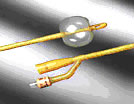
- Use Hydrogel coated latex catheters or 100% silicone catheters. (100% silicone catheters are more difficult to remove than hydrogel coated latex catheters)
- NB if you have a latex allergy use 100% silicone catheters
- If you have frequent urinary tract infections (UTI) you may benefit from using a silver coated catheter (seek advice)
- Secure the catheter tubing to the lower abdomen and thigh to prevent ‘tugging’ of the catheter. Seek advice about appliances for this
- Change the catheter every 6-8 weeks
- Drink 2-3 litres of fluids per day
- If able, use a catheter valve to maintain bladder tone and capacity. Seek advice if you would like to use a catheter valve
- Overnight attach a night bag (2 litre capacity) to your leg bag
- Bladder washout solutions or instillations may be used to wash out your bladder if your catheter consistently blocks with encrustations and requires frequent changes
- Solutions used vary from saline to acidic solutions. Frequency of use depends on frequency of catheter blocks
 Warm the solution prior to use to reduce discomfort and spasm
- NB Do not use acidic solutions more frequently than once a week as they can irritate the bladder lining
Problems that may occur:
- Urinary tract infections (UTI): drink 2-3 litres of fluid per day. Try to avoid taking antibiotics if possible. Seek medical advice if persistent
- Catheter blocks: use bladder washouts as advised, seek medical advice if persistent
- Urine leakage from below (urethra): seek advice
- Bladder, kidney stones: use bladder washouts as advised, seek medical advice
- Over granulation and/or discharge from the catheter site: ensure site is kept clean, and a dressing applied if necessary. Seek advice
- Chronic bladder infections: seek medical advice
- Bleeding: if you have bleeding around the site of the catheter (trauma), and/or pink/red coloured urine (haematuria) seek medical advice
If any of the above occurs, seek advice from:
- The Outpatient Nurses
- Your GP/District Nurse
If you would like to learn how to change your catheter please discuss with your Consultant or the Outpatient Nurses
